


Another solid choice for side sleepers, this wireless headband has flat headphones nestled inside so it's a top choice for big night time movers. There's an app featuring stories and meditation tracks, and you can charge it through a USB cable.
Prix réduit réservé aux commandes dès €49Ce tarif réduit s'applique uniquement avec au moins €49 de produits non promotionnels dans le panier. Ajouté seul, l'article repasse automatiquement au tarif normal.
Dodow | Sleep Aid in 8 Minutes
- Regular price
-
€29,90 - Regular price
-
€49,90 - Sale price
-
€29,90
Tax included.
Shipping calculated at checkout.
Learn to fall asleep naturally again, without medication, through slow breathing guided by light. Bestseller with more than 1,000,000 users worldwide. Inspired by 13,000 studies on cardiac coherence. Designed in France since 2012 by LIVLAB. Natural, with no waves or screen. Recommended by doctors and sophrologists and used in hospitals. Suitable for ages 6 and up.
Couldn't load pickup availability
- Express delivery in 1 to 2 business days.
- Free delivery on orders over $45.
- Pay in 4 interest-free installments with PayPal.
- Secure payment.
Who is Dodow for?
How does it work?
Proven benefits
A science-inspired innovation
Supported by doctors
History & craftsmanship
Technical details & warranty



Dr David O’Hare
Heart coherence specialist doctor
""
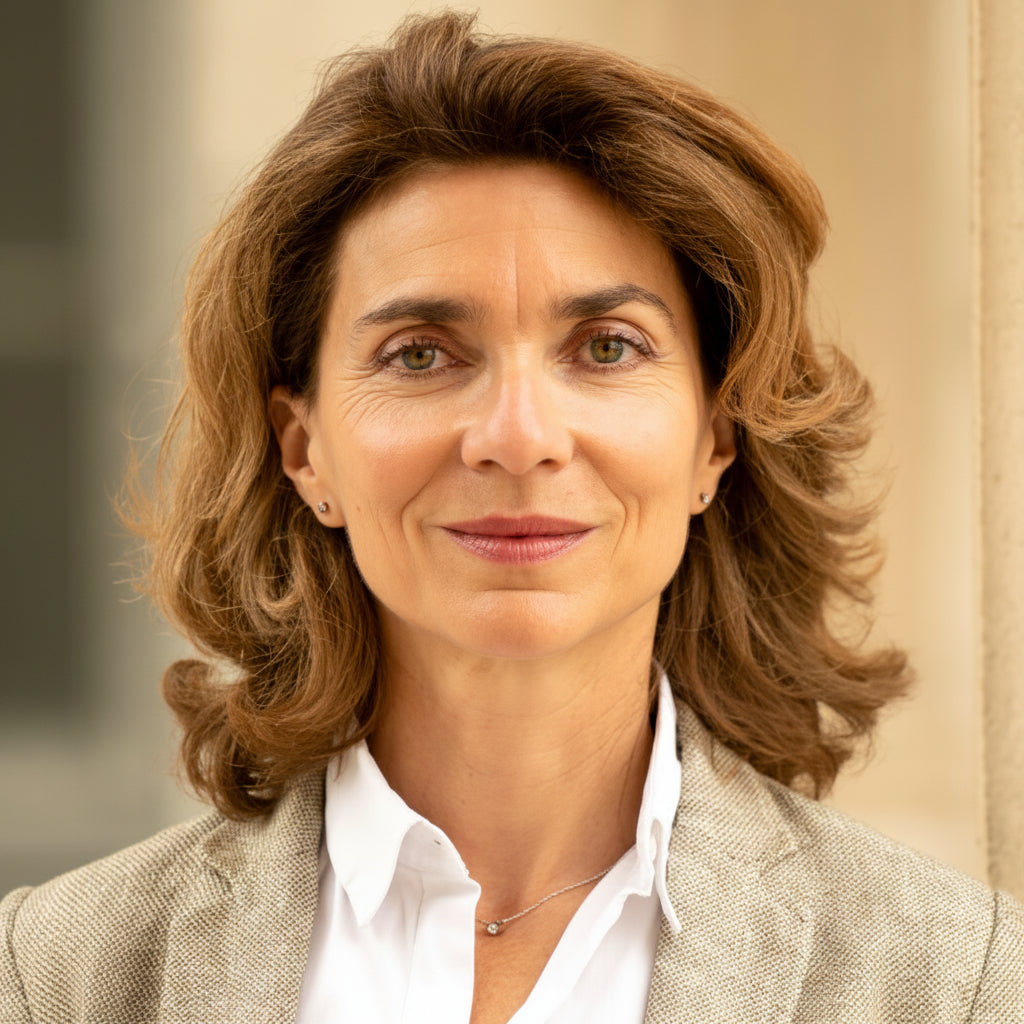
Mireille Barreau
Sophrologist and stress management counselor
" "


« The device aims to help you relax and clear your mind as you prepare to fall asleep. It takes the form of a small disk, and tapping on the top will activate a slowly pulsing blue light. This dim light projects onto your ceiling to help you pace your breath. »

Who wouldn’t want a better night's sleep? At less than £50, the Dodow light offers a simple solution to a big problem. No pills. No apps. You don’t even need a charger. Dodow’s loyal fans say it gets them to sleep in half the time and can cure insomnia for good.

Hoomkid is more than just an ordinary audiobook; it's a delightful and enriching experience designed specifically for children aged 3 to 10 years old. This unique platform offers a treasure trove of stories and activities aimed at helping kids explore their inner world, understand their emotions.

"The HoomPlay app’s offerings (which the company says are updated regularly) are a nice perk. The tracks range from 25 to 60 minutes and can loop to play all night. Should you choose not to use the app, the HoomBand headphones also stream audio via Bluetooth."
Now available for just $166.99 (reg. $196) with free shipping, this all-in-one sleep solution features a Bluetooth headband, blackout sleep mask, and access to over 100 hours of guided meditations, calming soundscapes, and hypnotic bedtime stories crafted by actual sleep experts

L'outil français pour retrouver le sommeil fait parler de lui ! On espère que Camille, le journaliste, s'est réveillé ! L'outil français pour retrouver le sommeil fait parler de lui.

«It's a really soft material. It's a total blackout, but also, if you look here and here, you'll see that these are soft headphones. You can adjust them to your ear. So when you fully put this on, you sync it up. Hoom has an app and has different sleep stories for you.»

« It's a blue light, but not one of the blue lights that keeps you up. It's just a very calming blue light. And you work your breathing with the light. Also, if somebody else is in the room sleeping, what I love is that this makes no noise. It's kind of training you to sleep.»

I have slipped into and I am unconscious before the cycle is up. The next night, I am awake to see the light turn off, but fall asleep shortly after.

Hoomband is my must have summer travel essential! This ultra-comfortable audio headband helps you relax, block out noise, and fall asleep faster on planes, trains, or long road trips. With immersive soundscapes and guided meditations,

The breathing exercises were pleasant and calming. Still, I often don't have much decompression time before hitting the hay, so it was nice to concentrate on something other than my own mile-a-minute thoughts. Meditative indeed!

Ultra-thin & adjustable headphones, ideal for side-sleepers, for workout, yoga, meditation, naps. +100h free audio sleep content created by best sleeping therapy experts Hypnotic stories, Role plays, Guided meditations, Soundscapes, White noises, ASMR...

When I wake early, I simply slip it over my head and turn on sleep meditation music. You can also choose to listen to a white noise loop or relaxing soundscapes, or you can of course just tune in to your favourites.

«Dodow is a LED light metronome that helps you relax. A glowing, pulsating blue light is projected on the ceiling. You coordinate your breathing to the dynamic light changes. I find it extremely calming and peaceful.»

This sleep headband boasts a wide library of meditations and sleep stories, in a soft and comfortable design. It's a decent choice if you're looking for an adjustable headband

« Aujourd'hui, on entend beaucoup parler de high-tech, de produits connectés. Nous, ce qu'on voulait, c'était un produit justement déconnecté. Pour s'endormir, il faut être déconnecté. »

Et c’est là que la magie Hoomkid opère ! Vous pouvez commencer à l’utiliser avec un enfant à partir de 3 ans. A cet âge, ils sont capables d’identifier et de verbaliser quelle situation provoque quelle émotion. C’est donc le moment idéal pour leur apprendre à les appréhender de façon douce et ludiqu

「質の良い睡眠の鍵は、実は呼吸のリズムにあった。まずは自然な眠りにつくための最適な呼吸法を体に覚えさせる光のメトロノーム「Dodow」を紹介したい。ゆっくりと点滅するブルーLEDのリズムに合わせ呼吸を矯正することで、眠りにつく最適なリズムを体に覚えさせることができる。起動時間は8分間と20分間の2段階で、使用後は自動的にスイッチが切れる仕組みとなっている。 」

Der Dodow ist eine handtellergroße batteriebetriebene Lampe, die mit pulsierendem, blauem Licht den Atemrhythmus vorgibt: sechs Atemzüge in der Minute für schnelleres Einschlafen.

Dodow, per addormentarsi più in fretta Dodow è un metronomo luminoso progettato per aiutare ad addormentarsi più velocemente. L'esercizio dura 8 o 20 minuti, dopodiché Dodow si spegne da solo

Dodow è un metronomo luminoso che ti insegna ad addormentarti naturalmente, senza bisogno di farmaci. L’esercizio dura 8 o 20 minuti, dopodiché Dodow si spegne da solo. In media i nostri utilizzatori dichiarano di addormentarsi o riaddormentarsi 2,5 volte più velocemente

Hoomkid a été créée avec cette volonté d’apprendre à tous les enfants à mieux gérer leurs émotions du quotidien. Une boîte à histoires captivantes, sans ondes ni écrans, faisant barrage aux traditionnels écrans et qui condense des années d’expérience en consultations infantiles.

« Véronique avait de gros problèmes pour s'endormir, mais depuis 3 mois il semblerait qu'elle ait trouvé la solution, grâce à son petit appareil: Dodow ; elle arrive à réguler son sommeil. Il suffirait de synchroniser sa respiration pour s'endormir plus facilement ! »

Pocas situaciones son tan desesperantes como una noche de insomnio. Pero gracias a este novedoso metrónomo, puedes quedarte dormido de forma natural y sin necesidad de medicamentos.

«C'est un petit coup de cœur, Dodow n'est pas un objet connecté, il suffit de le poser comme ça sur son boîtier et en plus c'est une création française ! Ca marche également pour les enfants et pour n'importe qui »

Le Dr Marcel Garrigou-Grandchamp, médecin généraliste à Lyon, a déjà recommandé Dodow à une poignée de patients. «Ils sont souvent demandeurs d'hypnotiques.Cet appareil m'a paru être une alternative intéressante et j'ai eu de bons retours»

« Ultra-efficace, notamment chez les enfants, Dodow promet un temps d’endormissement bien plus court au bout de quinze jours de pratique quotidienne. »

Es ideal para los que se mantienen despiertos en plena noche, embarazadas que no pueden dormir, quienes viven en lugares ruidosos, tienen preocupaciones, estrés, e incluso insomnio crónico. El regalo más original para caer dormido.

« Das Dodow-Metronom (knapp 50 Euro) wirft einen Lichtkreis an die Schlafzimmerdecke*, der rhythmisch größer und kleiner wird. Sie müssen dann nur noch Ihre Atmung an den Rhythmus des Lichtkegels anpassen und schon entspannt sich Ihr Organismus. »

Esiste un regalo che dica "ti amo" più di quello che concilia sonni sereni e rapidi, rapidissimi? Dodow è il metronomo luminoso che, con proiettando un fascio di delicata luce blu, guida inspiro ed ispiro fino a crollare in un sonno riposante in 8-20 minuti.

« Les 3 amis ont imaginé une méthode pour trouver le sommeil accessible à tous. Rémy, l'un des premiers utilisateurs, souffrait de réveils nocturnes et ses pensées l'empêchaient de bien se rendormir, pour lui l'appareil a fonctionné presque immédiatement. »

Este ingenioso aparato es un metrónomo luminoso para enseñarte de nuevo a quedarte dormido de forma natural, sin tomar medicamentos. Los ejercicios duran de 8 a 20 minutos y luego Dodow se apaga solo.

« Les créateurs de ce petit boîtier ambitionnent de « réveiller le sommeil » des personnes souffrant de troubles de l'endormissement ponctuels ou chroniques, selon une méthode inspirée des pratiques respiratoires de la méditation, du yoga et de la sophrologie. »

L'utilisation est simple et la « conteuse » utilisable en quasi-autonomie. L'enfant choisit d'abord le mode, « calme » avec des activités relaxantes, ou « éveil » plus énergisant. Enfin, le mode audio permet de piocher dans 54 histoires, 24 méditations, 6 postures de yoga, 12 ambiances musicales…

「気分が落ち着かなくて、寝付けないことはありませんか? 快適な睡眠を取るためには、呼吸速度が大切だそうです。しかし、自分でコントロールするのは簡単ではありません…。 そんな悩みを解決するのが光のメトロノーム「Dodow」。 気分が落ち着かなくて、寝付けないことはありませんか? 快適な睡眠を取るためには、呼吸速度が大切だそうです。しかし、自分でコントロールするのは簡単ではありません…。」

「仕事で多忙な毎日を送っていてなかなか寝付けない人、私のように子育て中でなかなか眠りにつけない人、ストレスや慢性不眠症、妊娠による不眠など、眠れずに困っているすべての人の救世主といえる。使い方は簡単。「Dodow」を手の届くところに置き、天井に映し出されたやわらかな青い光を眺める。光が明るくなったら息を吸い、暗くなったら息を吐くことを繰り返すだけ。」

« Des écouteurs extra-plats qui sont intégrés pour que tu puisses dormir même sur le côté avec quand même dans les oreilles. Alors soit tu peux mettre de la musique bien sûr pour t'endormir mais tu as aussi des séances d'hypnose, de méditation guidé de d'ASMR. »
Il s'agit d'un bandeau doté de deux écouteurs et relié à son smartphone. L'intérêt, outre un confort qui n'a rien à voir avec les oreillettes ou les écouteurs classiques, est d'offrir une vaste bibliothèque de programmes de relaxation ou de méditation, de 20 à 60 minutes, thématisés et accessibles

C’est cependant un outil vraiment intéressant sur lequel s’appuyer pour échanger avec son enfant et ouvrir le dialogue quand on se retrouve démunis face aux émotions de l’enfant. Je vous invite chaleureusement à tester les contenus par vous-même.

Pierre, notre cofondateur, répond aux questions de Stéphane Soumier, pour lui présenter Dodow sur le plateau d'Hello Startups qui accueille « les entrepreneurs qui changent le monde et qui vont vous faire dormir avec Dodow l'outil pour reprendre le contrôle de votre sommeil ! »

« La mélatonine est à nouveau stimulée, le cerveau est en mode alpha (caractérisé par des ondes cérébrales de basses fréquences) et les pensées diverses se détachent. En huit minutes, Livlab promet que le cerveau aura décroché, comme happé par le sommeil.»

«Enfin, la délivrance ou la mise en sommeil. L’auditeur, après plusieurs phases où il a été sollicité, avec beaucoup de stimuli, doit lâcher prise. On cherche cette fois à l’apaiser et à le conduire vers l’endormissement. L’histoire prend fin, vous êtes sensé, si ce n’est pas déjà fait, dormir.»

« Il faut qu'on trouve un produit physique pour aider les gens à le faire plus simplement parce que moi ça m'a pris 6 mois et nous il fallait qu'on arrive à trouver un produit pour aider les gens à le faire en 8 minutes. Dodow, c'est ce petit objet que vous allez placer sur votre table de nuit. »

« HoomKid c'est un outil que je trouve fabuleux parce que c'est la première compteuse qui parle d'émotion. Et en fait, à l'intérieur de chaque histoire, il y a une clé de développement personnel ou une clé pour aider l'enfant à vivre une émotion. »

「世界中で33万人以上の不眠症の悩みを解決した光のメトロノームが、満を持して日本で発売に! 眠るために必要な呼吸に着目し、Dodowから発せられる優しい青の光に合わせ、明るくなるときに息を吸い、光が弱まったときに息を吐く、というリズムが脳を休ませ、なにもしていないときよりも平均2.5倍の速度で入眠できることが確認されているそう。」

« En fait, il fonctionne comme un métronome lumineux. Il projette normalement au plafond un halo bleuté en fait qui croit et qui décroit à un rythme régulier. L'idée en fait, c'est de caler votre respiration sur cette lumière qui pulse tout doucement. »

«Des solutions alternatives existent : c’est ce que propose la marque Livlab avec son HoomBand et son système Dodow. Ces solutions ont déjà séduit plus d’un million de personnes dans le monde, et l’une d’elles peut, peut-être, vous intéresser et vous aider à mieux dormir.»

« Dodow and Hoom commercialise HOOMBAND, un bandeau audio conçu par des insomniaques. Il est complété par des histoires hypnotiques pour s’endormir disponibles sur l’application Hoom. »

« Mais mon problème à moi, ce serait plutôt de rester éveillé. Ma femme, le bleu, ça l'inspire! Quand je songe à tout ce qui aurait changé dans ma vie, si Dodow n'avait pas poussé ma femme dans les bras de Morphée. »


-

Science
-
Brut
-
Transparency
-
Education

FAQs
Why do I need Dodow?
Will Dodow disturb my partner?
Why blue light?
The color blue was chosen after extensive testing, based on the commonly held belief that blue is soothing. High doses of blue light can contribute to keeping you awake by inhibiting melatonin secretion, but this is not the case with Dodow. Projected onto the ceiling, the light signal, at maximum intensity and for someone lying in bed, is very low in intensity (less than 1 lux), especially compared with the relatively strong intensity of a computer or television screen (approximately 60 lux at a distance of 50 cm). In addition, the exposure time (between 8 and 20 minutes) is short. Dodow's impact on the circadian rhythm is therefore virtually zero, or at least far too weak to delay falling asleep and counteract the positive effects described above. The halo of light is therefore actually more like color than light.
Does Dodow also help with jet lag?
Dodow works very well for jet lag or irregular sleep patterns. Dodow is also used by Air France cabin crew, with whom we have formed a partnership. There are 50,000 cabin crew members traveling around the world.
I'm mostly stressed, can Dodow help me?
Yes, by breathing long enough at Dodow’s pace (6 breaths per minute), you will stimulate the baroreflex, a small physiological mechanism that helps restore balance to the autonomic nervous system. This will allow you to quickly move from a state of alertness (activation of the sympathetic nervous system) to a state of rest (activation of the parasympathetic nervous system), the same state you are in during digestion: slightly drowsy. In this state, you will be much less sensitive to stress, your metabolism will slow down, the secretion of neurotransmitters that had been keeping you awake will stop, and sleep will be very close. In addition, by focusing on the halo projected onto the ceiling by Dodow, you will divert your attention from your thoughts. Some people try to “force” themselves to sleep: by trying to fall asleep at all costs, they create stress that prevents them from doing so. By keeping your eyes open to follow the light pulse, you are no longer trying to fall asleep and, paradoxically, you increase your chances of drifting off. In psychology, this is called paradoxical intention; scientific studies have shown its usefulness in treating difficulty falling asleep.
Can Dodow help me fall back asleep if I wake up in the middle of the night?
Yes, by breathing long enough at Dodow’s pace (6 breaths per minute), you will stimulate the baroreflex, a small physiological mechanism that helps restore balance to the autonomic nervous system. This will allow you to quickly move from a state of alertness (activation of the sympathetic nervous system) to a state of rest (activation of the parasympathetic nervous system), the same state you are in during digestion: slightly drowsy. In this state, you will be much less sensitive to stress, your metabolism will slow down, the secretion of neurotransmitters that had been keeping you awake will stop, and sleep will be very close. In addition, by focusing on the halo projected onto the ceiling by Dodow, you will divert your attention from your thoughts. Some people try to “force” themselves to sleep: by trying to fall asleep at all costs, they create stress that prevents them from doing so. By keeping your eyes open to follow the light pulse, you are no longer trying to fall asleep and, paradoxically, you increase your chances of drifting off. In psychology, this is called paradoxical intention; scientific studies have shown its usefulness in treating difficulty falling asleep.
Is Dodow suitable for children and older adults?
Yes, we have numerous testimonials on this subject (we encourage you to read through them). The breathing exercise offered by Dodow is very simple and is performed gradually and gently. Dodow is particularly well suited to people who are afraid of the dark (many of whom are children and older people). Dodow can be used from the age of 6.
How long would Dodow help me fall asleep?
Results may vary from person to person, but most people fall asleep easily within the first 20 minutes, and many even fall asleep before the 8-minute cycle ends. Our users tell us they fall asleep 2.5 times faster on average thanks to Dodow. And remember, the more you use Dodow, the better results you can expect - you may even no longer need it.
What if Dodow doesn't work for me?
You have 100 days to try Dodow. If you’re not satisfied, we’ll refund you. Offer valid only for products purchased on the Livlab.care website.
Does Dodow turn off by itself?
Yes, of course. Dodow turns off automatically at the end of the exercise, after 8 or 20 minutes depending on your choice.